
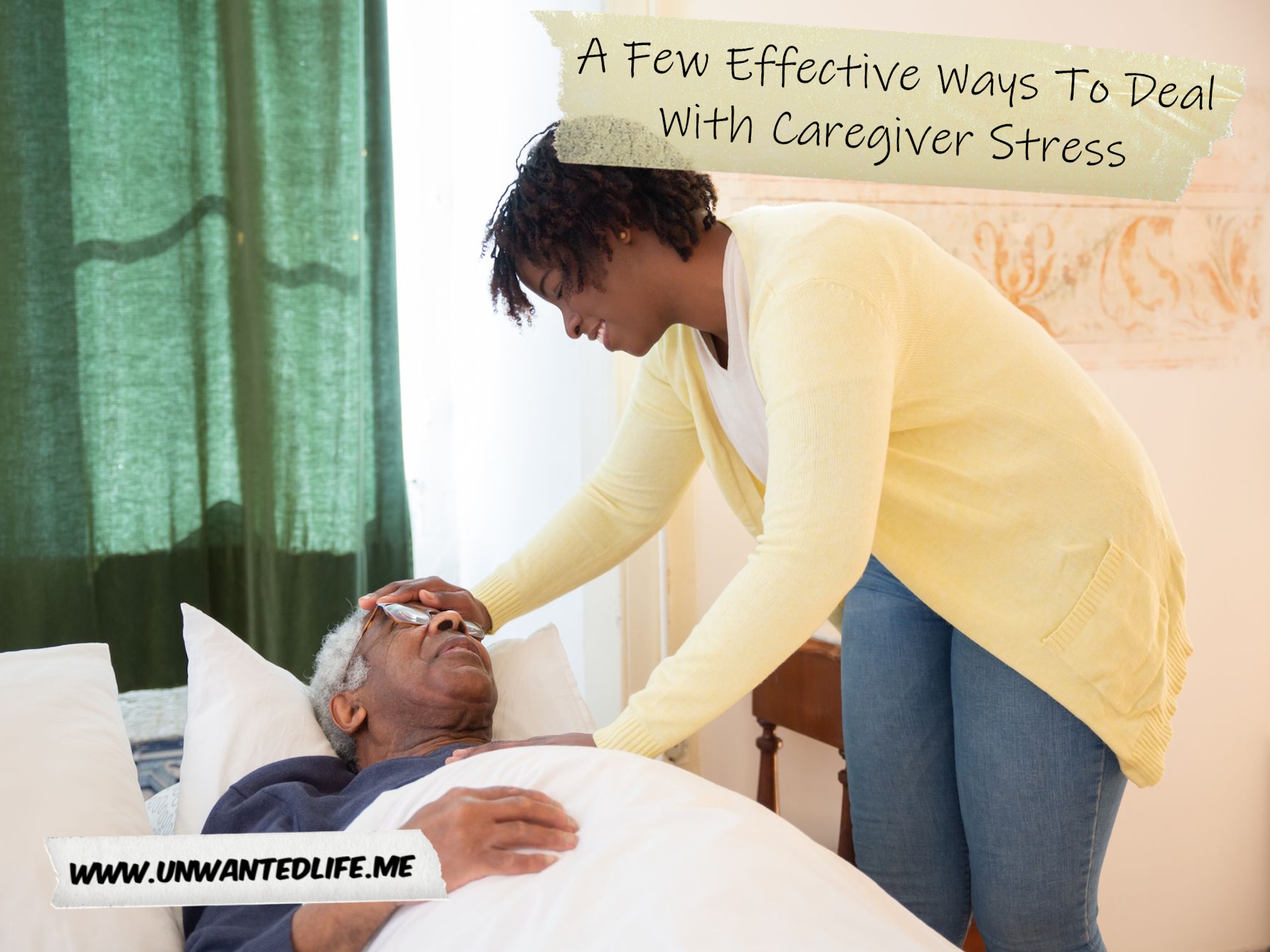
There are a lot of things we do in our lives that can be a source of stress, but one of the silent sources of stress is the stress of being a caregiver. Therefore, I want to bring that hidden source of stress to the forefront today. In this article, I will also share effective tips for those of us who find ourselves in the role of caregiver to protect our wellbeing while providing compassionate care for our loved ones.
Disclaimer: This is a sponsored article, but all thoughts and opinions are my own. Read my full disclosure here.
Being A Caregiver
Caregiving is a meaningful role for any of us to do, but it does come with a heavy toll. Pretending otherwise, because we feel we shouldn’t complain because the person we care about has it worse, is how we burn out.
Wynn (2025), reporting for the AARP on a recent report by the National Alliance for Caregiving (NAC) and AARP, shows that the number of family caregivers in the US has increased to 63 million in the last 10 years. The number represents a 45% rise over the past decade. In the UK, unpaid carers who feel they need better support have increased from 42% in 2023 to 51% in 2025 (Carers UK, 2025).
Caregiver demographics have also changed. Rita B. Choula, senior director at the AARP, notes that there has been a visible growth in younger caregivers, particularly among racially and ethnically diverse communities in the US (Wynn, 2025). According to the Office for National Statistics (2023), there were 120,000 young unpaid carers in England and 8,200 in Wales (aged between 5 and 17 years) in 2021.
Today, caregivers are likely to be millennial or Gen Z family members. Since they are a part of the ‘sandwich generation’, they end up juggling a job, young kids, and ageing parents. As such, many caregivers stop seeing their needs as a priority and thus put their own needs aside, leading to stress, exhaustion, and even burnout over time.
How To Cope As A Caregiver
Set realistic boundaries
Whether we’re a carer or not, it’s important to set clear and realistic boundaries, but as a caregiver, that’s even more important (DeRouen, 2021). Think of boundaries as our needs, preferences, and values put into action. Setting boundaries is both a right and a duty of a caregiver because we can’t take care of others without taking care of ourselves, such as via self-care. No matter who we are, we all have our limits, and there are only so many spoons at our disposal.
Sadly, caregivers often feel obligated to do everything themselves, but this approach is neither sustainable nor healthy. Recognising our limits is the key. Start by identifying what we can reasonably handle and what exceeds our capacity and daily spoon limit. It’s also important to communicate these boundaries openly with family members, healthcare providers, and others involved in caregiving. Because how are they to know otherwise?
One of the most important things to learn regarding our boundaries is learning to say “no”. Saying “no” is a life skill in and of itself, because of how difficult it can be to say, especially when emotions are involved. However, overcommitting can lead to resentment and exhaustion.
Remember, boundaries are not about neglecting responsibilities but about maintaining balance. When we respect our own limits, we create a healthier environment for ourselves and the person we’re looking after.
Delegate what we can
Caregiving should not be a one-person do-or-die mission where we take on all the responsibility. Too many of us hesitate to ask for help because we don’t want to bother others. Delegating tasks is a good way to make our workload more manageable, and is the only way to be a carer. Start by identifying tasks that others can handle, such as household chores, food shopping, transportation, etc.
Family members, friends, and community resources can make a solid support system. If possible, create a shared schedule to distribute responsibilities evenly. Professional services, such as home health aides or respite care providers, can also give us the break we need.
While there may be financial considerations, many communities offer affordable or subsidised options for caregivers. There are also a lot of charity organisations that can be relied on for support. We should not feel guilty about delegating because it does not mean we are failing in our role. This is what we would call unhealthy guilt.
Instead, it reflects a practical approach to our caregiving role and the reality of just how hard it is to support someone in our ever-demanding world. Let’s not forget the cost-of-living crisis we’ve been in for the last few years.
Seek professional support
Caregiver stress can sometimes reach a level where professional support is required. If caregiving responsibilities involve complex medical tasks, guidance from healthcare providers can improve confidence and reduce anxiety.
Speaking with a therapist, counsellor, or support group can provide a safe space. These professionals can also offer coping strategies tailored to our situation. Social workers are another good source of support, and in the UK at least, there is a process to get a social worker assigned to the person we’re caring for.
It might also be worth researching local peer support groups to join or finding online support groups so we can connect with others who understand what it’s like to be a caregiver. Sharing our experiences can reduce feelings of isolation and give practical insights. By doing this, eventually, we will feel that we are not alone. Furthermore, just having people around us can give us solace.
Experiences of being a caregiver can lead some to find such work to be their purpose. Thus, we may want to turn this into a career by pursuing an online Master of Social Work qualification through places like St. Bonaventure University, because they feel this will be rewarding financially and emotionally. Since the online mode enables people to study while working, it is an easy way to gain credentials and help others.
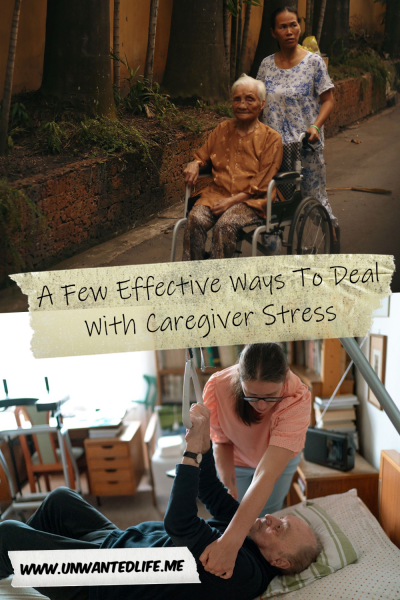
Prioritise self-care
According to the Family Caregiver Alliance (n.d.), self-care is non-negotiable for people who care for others. Many caregivers experience issues such as poor eating habits, failure to exercise, becoming easily irritated or upset, relationship stress, and sleep deprivation (APA, n.d.).
Caregivers have a nasty habit of overlooking the need to rest when ill and postponing medical appointments for themselves. Neglecting these red flags can lead to physical and mental health decline.
Taking care of our own needs allows us to function more effectively and maintain emotional stability. Simple practices, such as regular meals, adequate sleep, and physical activity, can make a significant difference. Adding small moments of relaxation to our daily routine, like reading, walking, practising yoga, or engaging in a hobby we enjoy, makes a difference.
Also, maintaining our social connections helps maintain our mental wellbeing. Spending time with friends or family members outside of caregiving responsibilities brings a sense of normalcy. When we prioritise our wellbeing, we are better equipped to handle challenges and provide consistent, compassionate care.
Avoid perfectionism
As Emamzadeh (2024) explains in Psychology Today, perfectionism is a trap. If we find ourselves struggling with perfectionism, we may develop such high expectations of ourselves that we can become harshly self-critical. We set, chase, and become preoccupied with unrealistic goals. Thus, when we’re a caregiver, perfectionism is the last thing we should aspire to.
Many caregivers feel pressure to do everything perfectly, but this mindset can cause stress and disappointment. It’s just an impossible standard to live up to, and it will further erode our wellbeing. Caregiving is inherently unpredictable, and striving for perfection makes it needlessly harder. Accept that mistakes and setbacks are part of the process. Being able to accept this fact can help reduce feelings of frustration and guilt.
Instead, we should celebrate small successes, such as completing daily tasks or effectively managing a difficult situation. Remember, letting go of perfectionism does not mean lowering your standards of care. Instead, it allows us to approach caregiving with flexibility and compassion for ourselves.
FAQs
Why is caregiving so hard?
Caregiving is challenging because it combines physical demands, emotional strain, and constant responsibility. Caregivers often juggle multiple roles while dealing with uncertainty and limited support. The emotional attachment to the person receiving care can intensify stress, making it difficult to maintain balance and personal wellbeing over time.
Caregivers can also find it hard to accept that they’re feeling negative about the loved one they’re caring for, like it’s somehow wrong to feel stressed about being a caregiver for them. It isn’t; it’s perfectly normal to feel that way.
What is caregiver burnout?
Caregiver burnout refers to the physical, emotional, and mental exhaustion we feel due to prolonged caregiving stress. It often includes feelings of overwhelm, irritability, fatigue, and detachment. Burnout can affect both the caregiver’s health and the quality of care provided, making early recognition and intervention essential for recovery.
What are the signs of caregiver anxiety?
Signs of caregiver anxiety include constant worry, difficulty sleeping, irritability, trouble concentrating, and physical symptoms such as headaches or rapid heartbeat. Caregivers may also feel overwhelmed or fearful about the future. Recognising these signs early can help prompt timely support and prevent more serious mental health concerns.
Caregiver Key Takeaways
| Topic | Key Data/Insight |
| Family caregivers in the US | 63 million caregivers nationwide (Wynn, 2025) |
| Upaid caregivers in the UK | 5.8 million (Carers UK, 2024) |
| Setting boundaries | Helps prevent stress, exhaustion, and resentment |
| Delegating tasks | Sharing responsibilities reduces caregiver burden |
| Professional support | Therapists, social workers, and support groups can improve coping |
| Self-care risks | Caregivers often experience poor sleep, unhealthy eating, and missed medical appointments |
| Perfectionism impact | Unrealistic expectations can increase stress and guilt |
Summary
Caregiver stress is a real challenge when we bear the load of taking care of a loved one. However, it can be better managed with the right strategies and support systems. When we nurture our own wellbeing, we can provide consistent, compassionate care to our loved ones. With awareness and proactive steps, we can reduce stress and find greater stability and fulfilment in our caregiving journey.
But it’s also important to know that being a carer isn’t easy; it will be hard work, and we’re allowed to complain and take time for ourselves.
As always, leave your feedback in the comments section below. Also, please share your experiences with being a caregiver in the comments section below as well. Don’t forget, if you want to stay up-to-date with my blog, you can sign up for my newsletter below. Alternatively, click the red bell icon in the bottom right corner to get push notifications for new articles.
Lastly, if you’d like to support my blog, please find the PayPal and Ko-fi donation payment options below. Until next time, Unwanted Life readers.
References
APA. (n.d.). Common Caregiving Problems. APA. Retrieved from https://www.apa.org/pi/about/publications/caregivers/practice-settings/common-problems.
Carers UK. (2024). Facts about carers. Carers UK. Retrieved from https://www.carersuk.org/media/ocxheq2c/facts-about-carers-dec-2024-final.pdf.
Carers UK. (2025, September 04). Rising numbers of unpaid carers say they need more support from the NHS. Carers UK. Retrieved from https://www.carersuk.org/press-releases/rising-numbers-of-unpaid-carers-say-they-need-more-support-from-the-nhs.
DeRouen, K. (2021, September 7). Maintaining boundaries as a caregiver: Go from guilt to glow. Supportiv. Retrieved from https://www.supportiv.com/caregivers/maintaining-your-boundaries-as-a-caregiver.
Emamzadeh, A. (2024, November 5). Why Perfectionism is a trap. Psychology Today. Retrieved from https://www.psychologytoday.com/us/articles/202411/why-perfectionism-is-a-trap.
Family Caregiver Alliance. (n.d.). Taking Care of YOU: Self-Care for Family Caregivers. Family Caregiver Alliance. Retrieved from https://www.caregiver.org/resource/taking-care-you-self-care-family-caregivers.
Office for National Statistics. (2023, February 13). Unpaid care by age, sex and deprivation, England and Wales: Census 2021. Office for National Statistics. Retrieved from https://www.ons.gov.uk/peoplepopulationandcommunity/healthandsocialcare/socialcare/articles/unpaidcarebyagesexanddeprivationenglandandwales/census2021.
Wynn, P. (2025, July 24). Exclusive: AARP-NAC Report Finds 45% Increase in Americans Providing Care. AARP. Retrieved from https://www.aarp.org/caregiving/basics/caregiving-in-us-survey-2025.