Amygdala Hijack: Living With The Proverbial Horror Film Jump Scare

Reading Time: 8 minutesAn amygdala hijack can be like living in a constant horror movie jump scare, except its triggers aren’t life or death. So what do we do?
Welcome to the general category archive. Here you’ll find all the articles that have been indexed as general.
As the name suggests, this archive contains pretty much every single article published. Here you’ll find everything from psychology, invisible disabilities, learning difficulties, health, and mental health.
Reading Time: 8 minutesAn amygdala hijack can be like living in a constant horror movie jump scare, except its triggers aren’t life or death. So what do we do?

Reading Time: 7 minutesHorror movies are a source of entertainment for a lot of us, but did you know there are life lessons that can be learned from them?
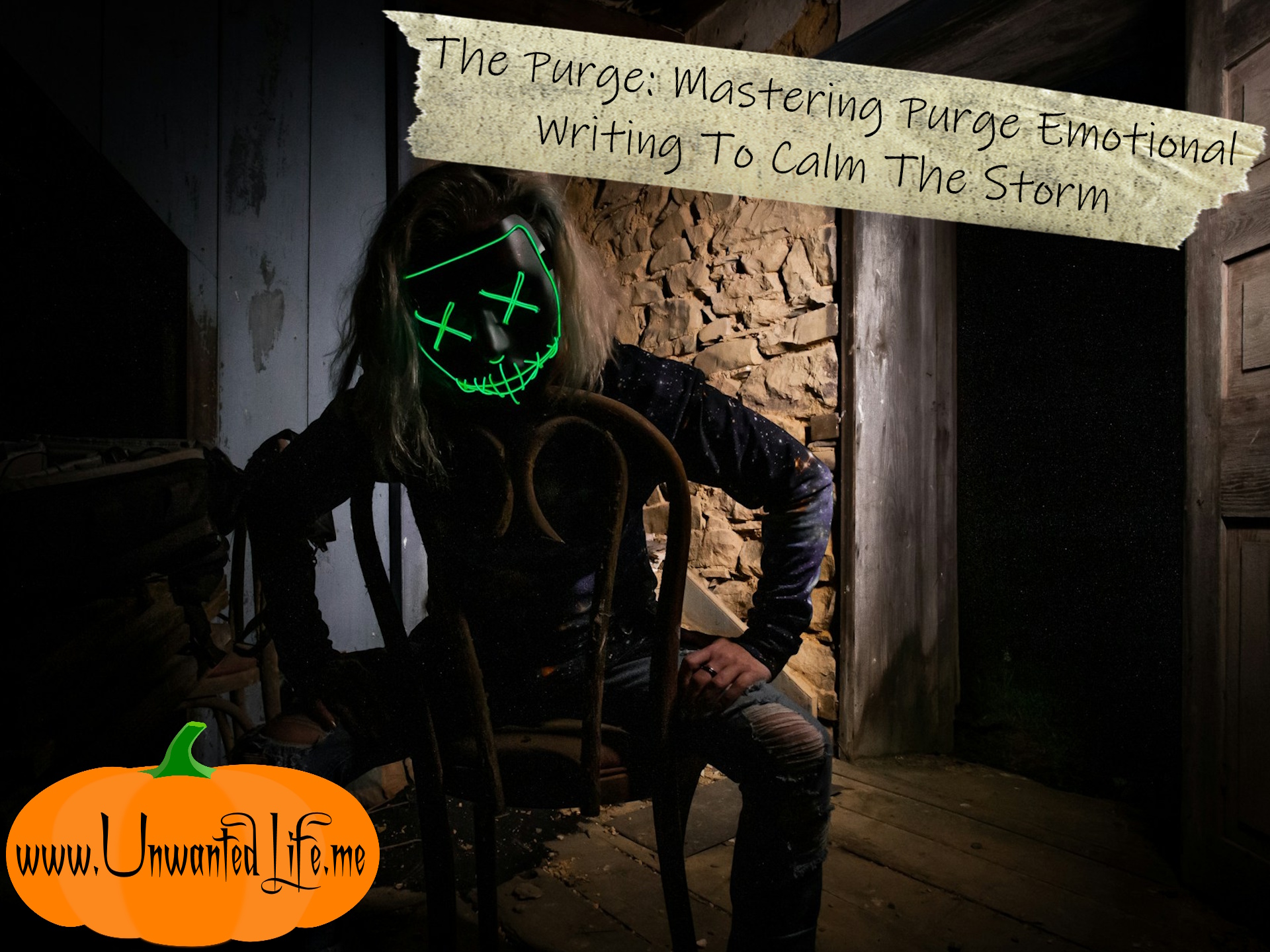
Reading Time: 4 minutesPurge emotional writing makes for a great quasi-journaling activity to manage and even banish difficult emotions and thoughts. Here’s why
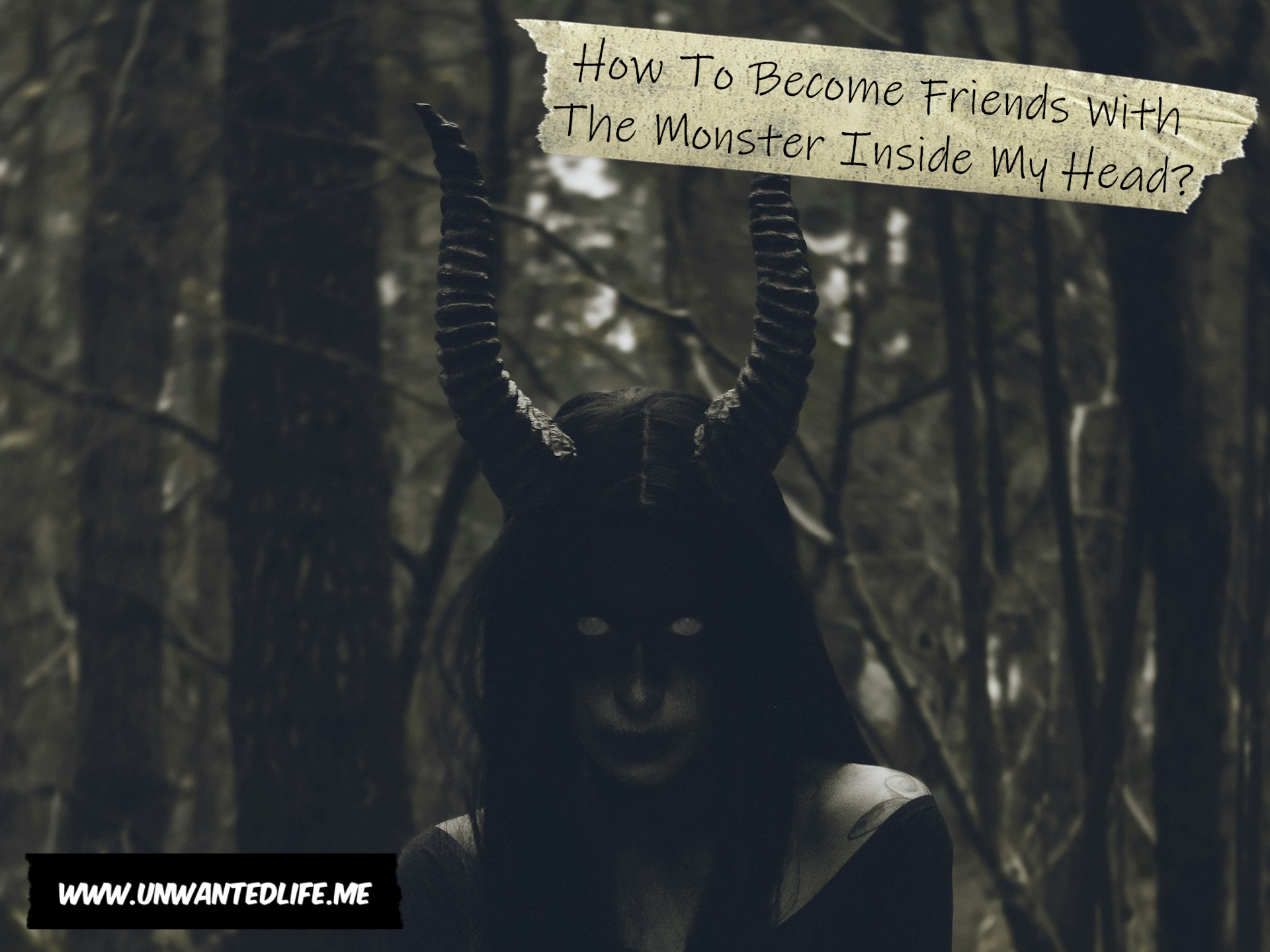
Reading Time: 9 minutesThe monster that lives in our head can be intrusive and unwanted, but it doesn’t mean to be. It is just going about helping in the wrong way
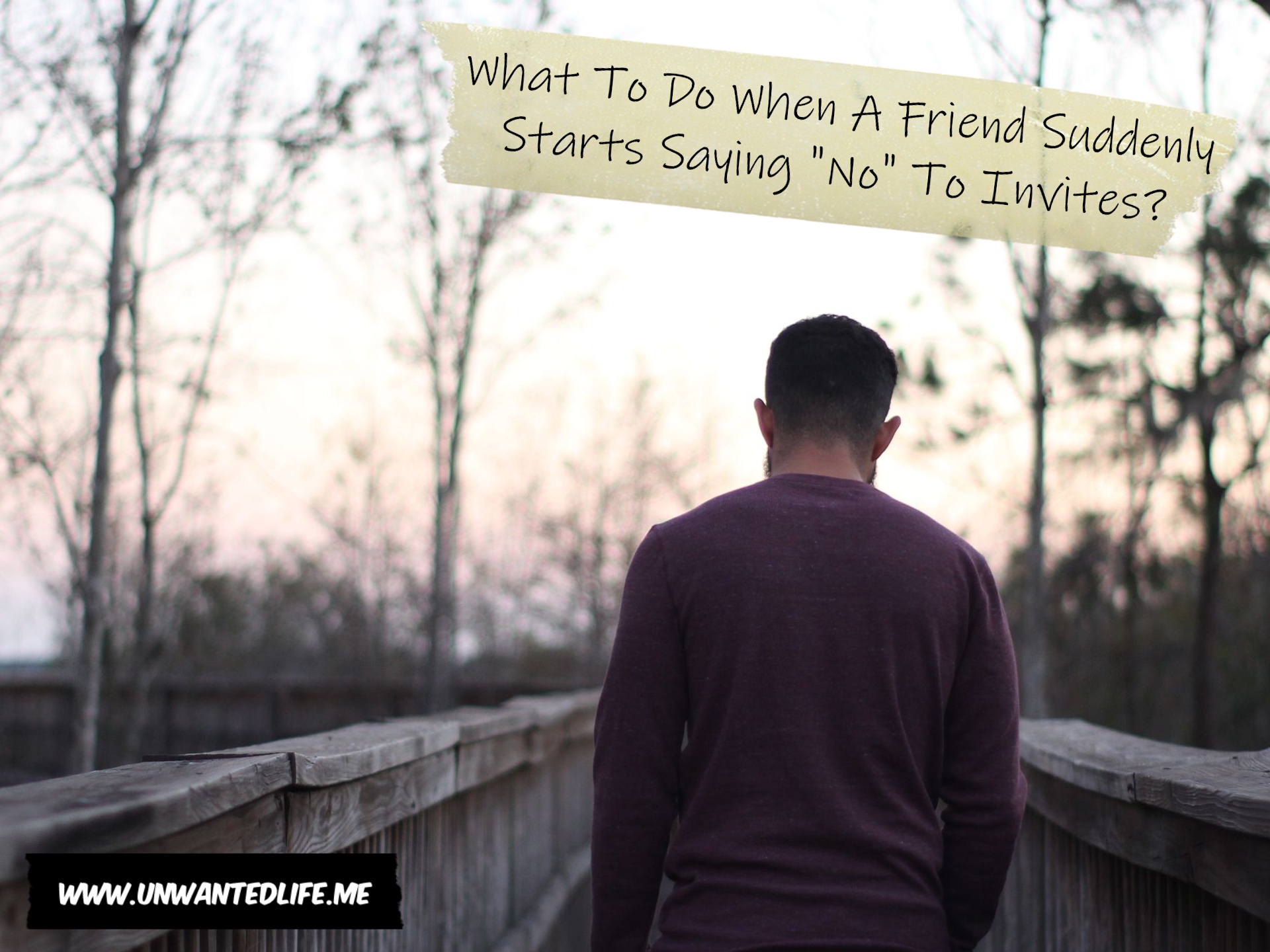
Reading Time: 6 minutesIf a friend starts saying “no” to invites, we may start assuming they don’t want to be our friend. Consider this article first
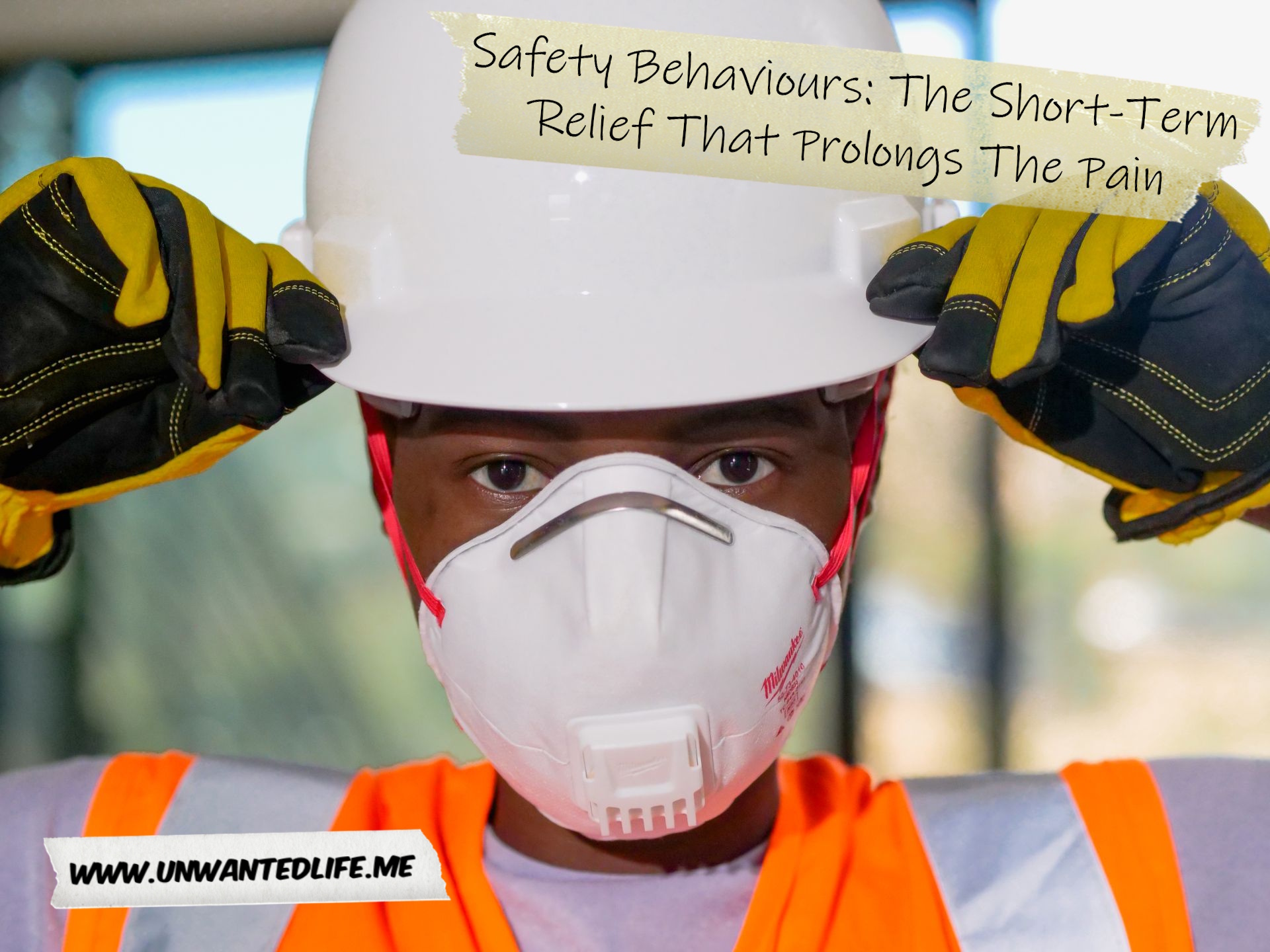
Reading Time: 12 minutesSafety behaviours are the habits that appear to help us manage our anxiety, but what if they didn’t? What if they prolonged our recovery?

Reading Time: 12 minutesPhilophobia, the fear of love, neatly explains an area of human existence not covered by already established labels and phobias. Here’s why

Reading Time: 14 minutesWe’re all familiar with relationship green and red flags, but there are also relationship yellow flags, which can be just as important to love
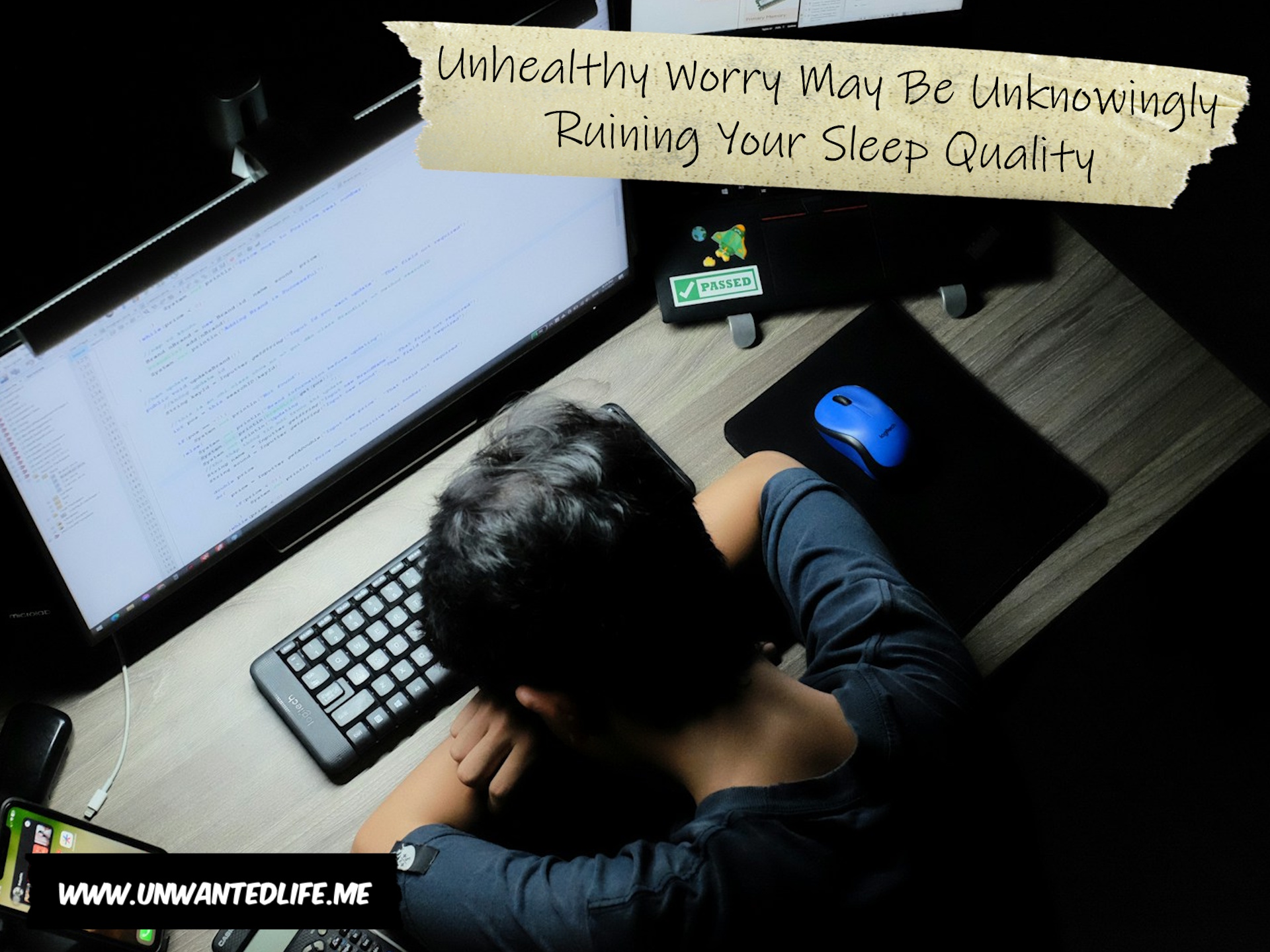
Reading Time: 9 minutesOur worrying can have a significant impact on our sleep quality, which can also lead to sleep anxiety. But there are ways to tackle this
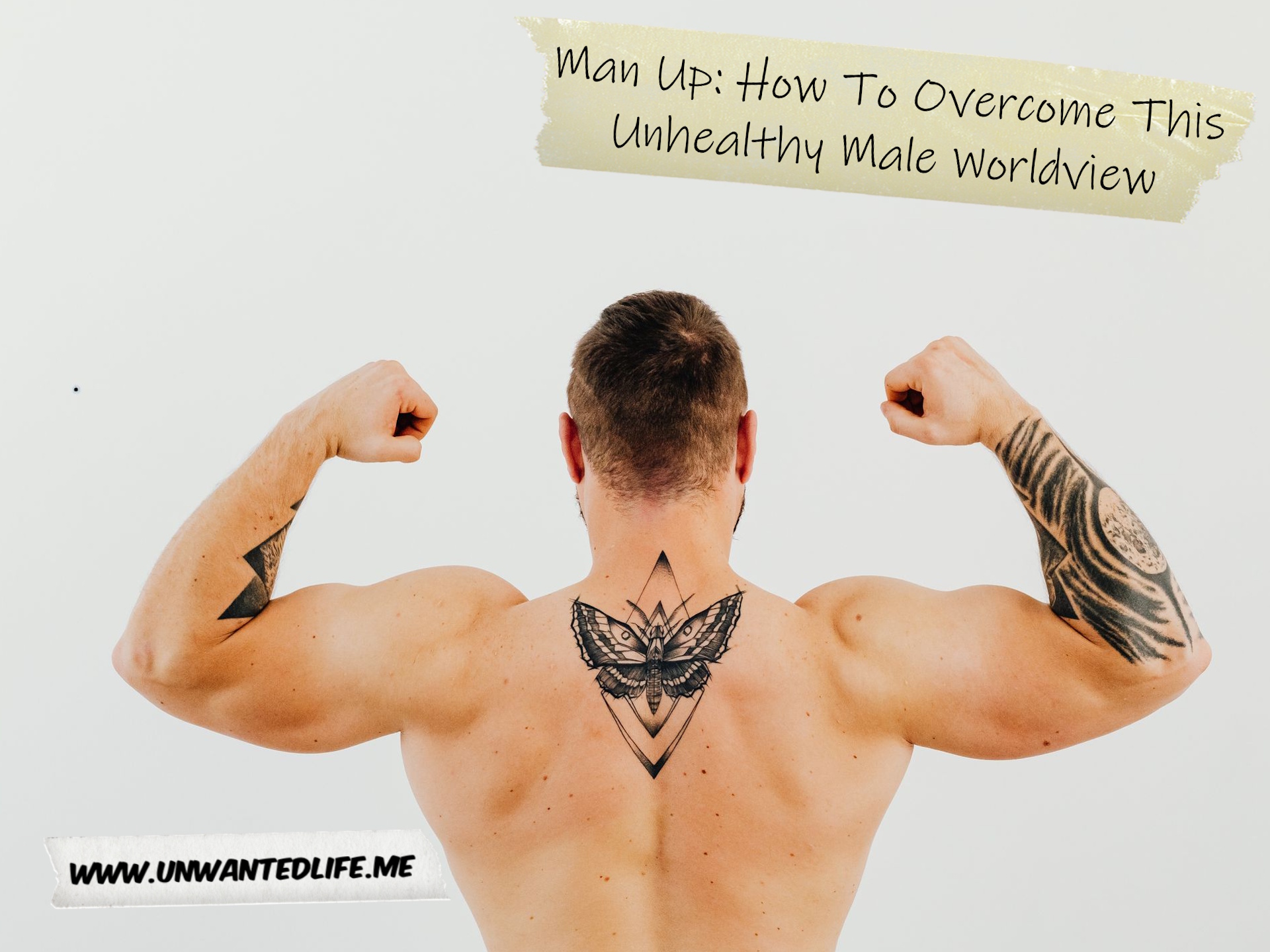
Reading Time: 15 minutesSticks and stones may break our bones, but words can stay with us forever, and that’s why phrases like “man up” are a problem. Here’s why